
Favorite Products For Efficient Concrete Footing Service Delivery
Upgrade your toolkit with proven products that boost productivity and quality in footing installation projects.
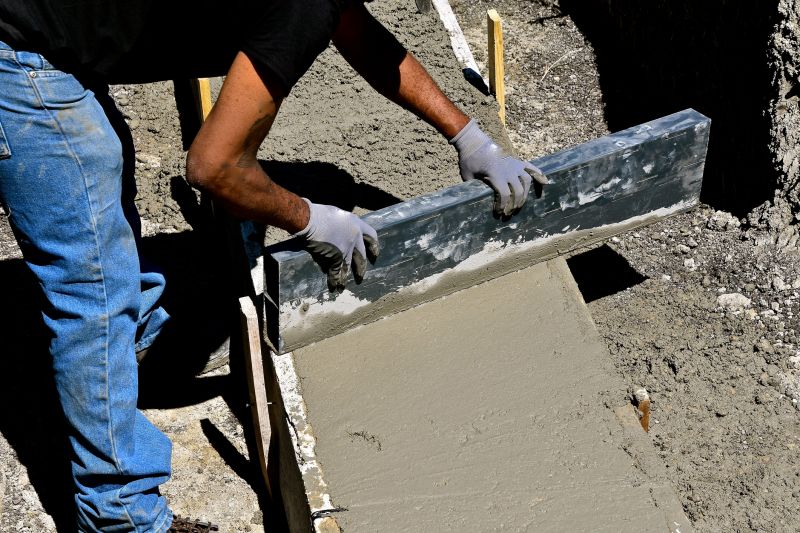 Concrete footing services are essential components in construction projects, providing a stable foundation for structures such as buildings, decks, and various outdoor installations. Selecting the right products for concrete footing preparation and installation can significantly influence the durability and safety of the finished project. These products range from formwork materials to reinforcement accessories, each serving a specific purpose in ensuring the concrete is properly supported and shaped during curing.
Top Overall Option
Concrete Formwork System
A versatile concrete formwork system provides a reusable and adaptable solution for shaping and supporting concrete footings. These systems typically include modular panels, braces, and accessories designed to create precise forms for various footing sizes and shapes. Their ease of assembly and disassembly can help save time on site, while their durability ensures multiple uses across different projects. Selecting a high-quality formwork system can support consistent results and reduce material waste, making it a practical choice for professionals and serious DIYers alike.
Types of Products For Concrete Footing Service
Plywood and Plastic Form Panels
Used to create molds for concrete footings, these panels come in various sizes and are designed for easy handling and reuse.
Reinforcing Steel Bars (Rebar)
Provides tensile strength to concrete footings, helping to resist cracking and structural stresses.
Wire Mesh
A mesh grid that reinforces concrete, distributing loads and preventing cracking.
Concrete Spacers and Chairs
Support reinforcement within the formwork, ensuring proper positioning and coverage.
Form Ties and Wedges
Secure form panels together and maintain form integrity during concrete pouring.
Lift Hooks and Anchors
Facilitate lifting and positioning of formwork or reinforcement components.
Vibrators
Help remove air bubbles and ensure proper compaction of concrete within forms.
Waterproofing Membranes
Protect concrete footings from moisture ingress and enhance durability.
Form Release Agents
Aid in easy removal of formwork after concrete has set, reducing surface damage.
Concrete Mixers
Assist in preparing the concrete mixture on-site for consistent consistency and workability.
Measuring and Leveling Tools
Ensure accurate dimensions and proper leveling of footings during installation.
Protective Barriers and Safety Equipment
Maintain safety standards during footing construction, including gloves, goggles, and barriers.
Form Liners
Create decorative or textured surfaces on concrete footings if desired.
Expansion Joints
Allow for movement within the concrete structure, preventing cracks.
Popular Choices
Flexible and lightweight, these panels are favored for their ease of use and reusability in various footing shapes.
Corrosion-resistant reinforcement ideal for long-lasting concrete footings.
Widely used for reinforcing larger footing areas, providing consistent support.
Offers flexibility in form assembly, ensuring tight and secure molds.
Portable vibrators that help achieve proper compaction in small or hard-to-reach areas.
Designed for demanding footing applications requiring enhanced durability.
Assist in achieving precise elevation and alignment for footing placement.
Simplifies form removal and reduces surface defects.
Portable mixers ideal for small to medium projects, offering convenience and efficiency.
Essential safety gear for protecting workers during footing construction.
Simple tools to verify levelness across footing forms.
Secure formwork to the ground or other structures for stability during pouring.
Properly prepared forms and reinforcements are vital for achieving accurate dimensions and structural integrity. Formwork materials, such as sturdy plywood or plastic molds, help shape the concrete while it sets, preventing leaks and ensuring smooth surfaces. Reinforcement products like rebar and wire mesh add tensile strength, helping the footing withstand various loads and stresses over time. Accessories such as spacers, ties, and lift hooks facilitate easier installation and ensure correct positioning of reinforcement within the formwork.
Understanding the different product options available can assist professionals and DIY enthusiasts in making informed choices. Factors like material compatibility, ease of installation, and project scale should all be considered when selecting products. High-quality materials may initially cost more but often deliver better performance and longer-lasting results. Additionally, safety considerations, such as non-slip handles and corrosion-resistant components, contribute to smoother workflows and safer work environments.
Investing in the right products for concrete footing service not only improves the quality of the construction but also helps streamline the process, reduce waste, and minimize delays. Whether working on small residential projects or large commercial developments, having access to a comprehensive range of reliable products ensures that each stage of footing preparation and pouring is executed with precision and confidence.
Key Buying Considerations
- Material durability and resistance to environmental factors such as moisture and corrosion.
- Compatibility with the size and shape of the footing project.
- Ease of handling and installation, especially for larger or complex forms.
- Reusability and long-term cost-effectiveness of form materials.
- Strength and flexibility of reinforcement options to match project load requirements.
- Availability of accessories like spacers, ties, and lifting hooks to streamline assembly.
- Compatibility with existing tools and equipment used on-site.
- Safety features, including non-slip surfaces and corrosion-resistant components.
- Weight of form panels and accessories for ease of transport and handling.
- Surface finish requirements and whether decorative options are needed.
- Environmental conditions at the job site that may influence material choice.
- Compliance with local construction standards and codes.
- Vendor reputation and availability of customer support or warranties.
- Budget constraints balanced with quality and performance expectations.
- Ease of cleaning and maintenance of reusable products.